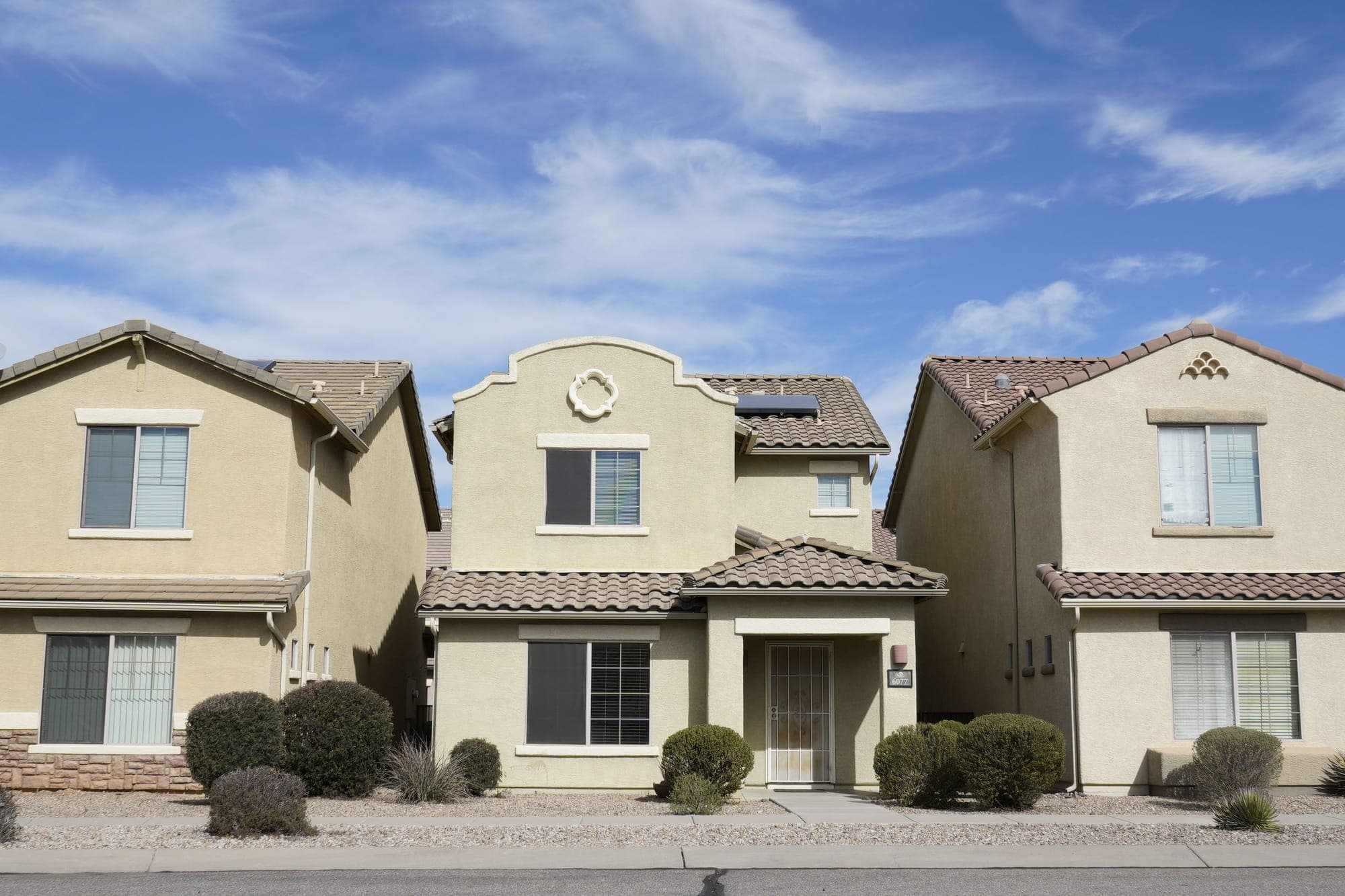
Selling Your Home to Someone You Already Know in Utah
When buyer and seller already have a deal: what the transaction process still requires, why title insurance and earnest money matter even between people who trust each other, and how private sales work in Utah.

More than half of all FSBO home sales in Utah — and nationally — happen between people who already know each other. A neighbor mentions they're thinking of selling. A family member is looking to buy. A co-worker has been eyeing the house for years. The two parties talk, agree on a number, and suddenly they have a deal before either of them has done any of the transaction.
That moment is where most of the mistakes happen.
The process of transferring legal ownership of a home is the same whether you've known the buyer for twenty years or met them on Zillow last Tuesday. The forms, the deadlines, the inspections, the title work — none of it gets shorter because the parties trust each other. What changes is only the marketing step, which you can skip entirely.
What a private sale actually is
A private sale — sometimes called an off-market transaction or a direct sale — is a home sale that happens without the property ever being listed publicly. No MLS, no Zillow, no yard sign. The buyer and seller came to terms directly.
Private sales are entirely legal in Utah. The seller is under no obligation to list publicly before selling. The buyer is under no obligation to use a buyer's agent. Both parties can proceed without agents on either side if they choose.
What does not change: Utah's legal requirements for transferring real property. The seller still has disclosure obligations. The sale still requires a written purchase contract. Title still has to be searched and transferred. Closing still happens at a title company.
The purchase contract: put it in writing before anything else
Once you've agreed on a price, the next step is a written contract — not a handshake, not a text message, not a "we'll sort out the details later." In Utah, real estate contracts must be in writing to be enforceable.
The standard document is the Utah Real Estate Purchase Contract, commonly called the REPC. It's the same form used in every other Utah home sale, published by the Utah Division of Real Estate. It covers:
- Purchase price
- Earnest money amount and deposit deadline
- Closing date
- Inspection period and deadlines
- Financing details (or confirmation of a cash purchase)
- What's included and excluded from the sale
- Seller disclosures
- Title insurance and closing cost allocation
You can download the current REPC form from the Utah Division of Real Estate website. The REPC guide tool walks through what each section means and what happens if you leave something blank. For a section-by-section explanation of the form, see the Utah REPC guide.
Even if both parties trust each other completely, a signed contract protects both of them. If circumstances change — a job loss, a family emergency, a change of heart — the contract defines what happens, what money is at stake, and what remedies exist. Without it, a dispute between friends or family members has no written terms to fall back on.
Earnest money: what it does and why it matters
Earnest money is a deposit the buyer makes after the contract is signed, no later than four calendar days after Acceptance. Around 1% of the price is common in Utah. Offers range from a flat $1,000 to $5,000 up to 3%, depending on how competitive the market is. The amount is negotiated between buyer and seller and can be any figure the parties agree to. It is held in escrow by the title company until closing.
The most common version of this conversation between people who know each other:
"Do we really need earnest money? We trust each other."
Earnest money isn't primarily about trust. It serves two distinct functions:
For the seller: it compensates for taking the property off the market. From the moment the contract is signed, the seller stops showing the property and turns down other potential buyers. If the buyer backs out without a covered reason — not because of a failed inspection or a financing problem, but simply because they changed their mind — the seller has lost that time and those other buyers. Earnest money is the agreed consequence for a non-contingency cancellation.
For the buyer: earnest money is credited toward the purchase price at closing. It's not an extra cost — it's part of the payment, just delivered early. More importantly, earnest money held in escrow by the title company (not given directly to the seller) is protected. If the seller can't deliver clear title, or if a contingency applies, the buyer gets it back.
Giving earnest money directly to the seller — rather than to a title company or brokerage escrow account — is a common mistake in private sales. If the transaction falls apart and the parties disagree about who keeps it, there's no neutral party holding the funds. Use a title company.
For more on how earnest money works within the full offer process, see how to make a real estate offer in Utah.
Title insurance: what trust doesn't cover
This is the section that matters most.
When two people who trust each other sell a home, the most common thing they consider skipping is title insurance. The reasoning is straightforward: "I know you, I trust you, we don't need that."
Title insurance does not protect against fraud or bad faith by the seller you're dealing with. It protects against problems in the ownership history that neither party knows about — problems that may have originated decades before the current seller ever owned the property.
Here's what title insurance covers that trust cannot:
Undisclosed heirs. Decades ago, a prior owner died without a proper probate. Their heir has a legal claim to the property that was never recorded or discovered. The current seller has no idea this exists. Neither does anyone else until that heir shows up.
Forged documents in the chain of title. A deed recorded twenty years ago was forged — a signature was faked, or a notarization was fraudulent. The current seller inherited a defective title through no fault of their own.
Recording errors. A clerical error at the county recorder's office — a wrong parcel number, a missed document — left a gap in the chain of title.
Unknown liens. A judgment against a prior owner was attached to the property as a judgment lien. It wasn't discovered in a cursory search. It follows the property to the new buyer.
Tax liens. Unpaid property taxes from before the seller's ownership that weren't caught.
A title search before closing is designed to surface these problems. But a title search can only find what's in the public record — and public records have gaps, errors, and missing documents. Title insurance covers what the search missed.
Owner's title insurance in Utah is typically paid by the seller as a one-time premium at closing. For a home in the $400,000–$600,000 range, the cost commonly runs $1,500–$2,500 — confirm with your title company for an exact quote. That premium protects the buyer's ownership rights for as long as they own the property and, in many cases, beyond. Compare that to the cost of defending a title claim in court.
The Utah title companies guide explains what a title company does, what title insurance covers, and how to get a quote from companies in your area.
In Utah, title insurance allocation is addressed in the REPC. By custom, the seller typically pays for the owner's policy and the buyer pays for the lender's policy (if there's a mortgage) — but these are negotiable and spelled out in the contract. Confirm local custom with your title company.
Disclosures: the same obligation applies
The seller's disclosure obligation exists regardless of the relationship between buyer and seller. The REPC (Section 7(a)) requires the seller to provide a written Seller's Property Condition Disclosure covering known material defects — structural issues, roof condition, water damage history, HVAC, plumbing, electrical, environmental hazards, HOA matters, and more.
This applies to private sales between family members, friends, neighbors, and everyone else.
"They already know about the leak in the basement" is not a disclosure. A completed, signed Seller's Property Condition Disclosure form is.
Verbal disclosures don't satisfy the requirement. The form exists to create a written record of what the seller represented about the property's condition at the time of sale. If a problem surfaces after closing that the seller knew about and didn't disclose in writing, that record — or the absence of it — becomes central to any dispute.
For a complete breakdown of what each section of the disclosure form covers, see the Utah seller disclosure requirements guide.
Inspections: why buyers should still get one
Skipping the inspection is another common private sale mistake. The buyer knows the seller, has been in the house before, feels comfortable with the property. An inspection seems redundant.
A home inspector's job is to examine systems and components that neither the buyer nor the seller may be aware of — the condition of the electrical panel, the state of the roof sheathing, the presence of radon, the function of HVAC equipment, the integrity of the foundation drainage. Sellers aren't required to know these things. Buyers, after closing, own them.
The inspection contingency in the REPC gives the buyer a defined period to conduct inspections and decide whether to proceed. It's whatever date you write in as the Due Diligence Deadline. Most buyers take 7 to 14 days. The buyer can request repairs, request a price adjustment, or cancel for any condition-related reason within that window. After the deadline passes, the buyer has accepted the property's condition and generally cannot cancel based on property issues.
The inspection protects the buyer. Waiving it is a decision each buyer makes on the terms of their own contract — but it should be a deliberate decision, not a default assumption.
The closing process
Closing in a private sale works the same way it works in any other Utah real estate transaction. The title company:
- Receives the signed purchase contract
- Opens escrow and holds the earnest money
- Conducts the title search
- Coordinates with the seller's lender to get a mortgage payoff figure (if the seller has an existing mortgage)
- Prepares closing documents — the deed, settlement statement, transfer documents
- Manages the signing appointment
- Disburses funds: pays off the seller's mortgage, distributes net proceeds to the seller, records the deed with the county
Your lender must deliver the Closing Disclosure at least three business days before closing. Sellers get their own settlement statement from the title company. Ask about anything on it that's unexpected.
Use the Utah closing cost calculator to estimate net proceeds for the seller and total cash to close for the buyer before you get to the table.
Below-market sales to family members
Sometimes a sale between family members involves a price below market value — parents selling to adult children, for example. This is legal, but it has implications worth understanding before closing.
Gift of equity. The difference between the market value and the sale price may be treated as a gift for federal tax purposes. Gift tax rules apply to the donor (the seller, in this case). The IRS adjusts the annual gift tax exclusion periodically — confirm the current exclusion amount at IRS.gov before closing. Gifts above the annual exclusion threshold may require filing a gift tax return, though no tax is owed until lifetime gifts exceed the lifetime exemption. A tax professional can explain what applies to a specific situation — this is one area where a conversation with a CPA before closing is worth the time.
Lender restrictions. If the buyer is financing the purchase, their lender will likely order an appraisal and may have requirements about the gap between the appraised value and the sale price. Some loan programs have specific rules about gifts of equity — including whether the equity can be used as part of the down payment. The buyer's lender needs to know the relationship between the parties early in the loan process.
Property tax reassessment. Utah has certain reassessment rules that apply when property transfers between family members. Confirm with the county assessor and a tax advisor how the transfer affects the property's assessed value going forward.
What makes a private sale different — and what doesn't
The one thing a private sale genuinely doesn't need: marketing. No professional photos, no MLS listing, no open houses, no buyer outreach. The buyer is already there.
Everything else — the contract, the earnest money, the inspections, the disclosures, the title search, the title insurance, the closing at a title company — runs exactly the same.
The complete seller guide covers every step of a Utah home sale without an agent, including the closing process. For a summary of the FSBO process — including statistics on how common private sales are and what makes them succeed — see the FSBO Utah guide.
If the buyer is submitting a formal offer using the REPC, Aletheia's offer platform provides a structured format for both parties to work through the key terms — price, earnest money, contingencies, and timelines — without either side needing an agent. You can see how it works on the demo page.
Frequently asked questions
Do I need a real estate attorney for a private sale in Utah?
It isn't required. Some buyers and sellers hire a real estate attorney to review the contract before signing; fees vary. A real estate attorney can confirm the form is completed correctly, identify any unusual provisions, and advise on legal implications specific to your situation.
Can I just sign a simple purchase agreement instead of the REPC?
The REPC is the standard form used in Utah residential transactions. While parties can use a custom agreement, doing so without legal counsel creates risk — the REPC includes buyer and seller protections developed over many years that a simple agreement may not cover. A real estate attorney can draft a custom agreement or adapt the REPC to the specifics of your transaction.
What if we've already agreed on a price — do we still go through a title company?
Yes. The title company's role is to conduct the title search, issue title insurance, hold funds in escrow, prepare closing documents, and record the deed. These functions apply regardless of how the parties came to their price agreement. Closing through a title company protects both the buyer and the seller.
Who chooses the title company in a private sale?
Either party can suggest a title company, and the other can agree. The purchase contract specifies which company handles the closing. Federal law (RESPA Section 9, 12 U.S.C. 2608) says that when a buyer uses a federally related mortgage loan, the seller can't require the buyer to buy title insurance from a particular title company as a condition of the sale. Under the REPC, the seller pays for the buyer's owner's policy through the title company that issued the title commitment (Section 6.2). On Aletheia, the buyer and seller name the title company together in the earnest money addendum.
Is title insurance required if there's no lender?
If the purchase is all cash, no lender's policy is required. The owner's policy that protects the buyer is separate from the lender's policy and is not mandated by law — but going without it means the buyer has no coverage if a title defect surfaces after closing. For most buyers, the one-time premium for an owner's policy is a straightforward cost of completing the purchase.
This article is for informational purposes only and does not constitute legal, financial, or real estate advice. Real estate transactions involve complex legal and financial matters — consult with a licensed attorney, title company, and tax professional for guidance specific to your situation.
General information, not legal advice. For advice about your situation, talk to a Utah real estate attorney.
Ready to try it yourself?
Aletheia gives buyers and sellers a clearer way to handle offers. See how it works or create a free account.